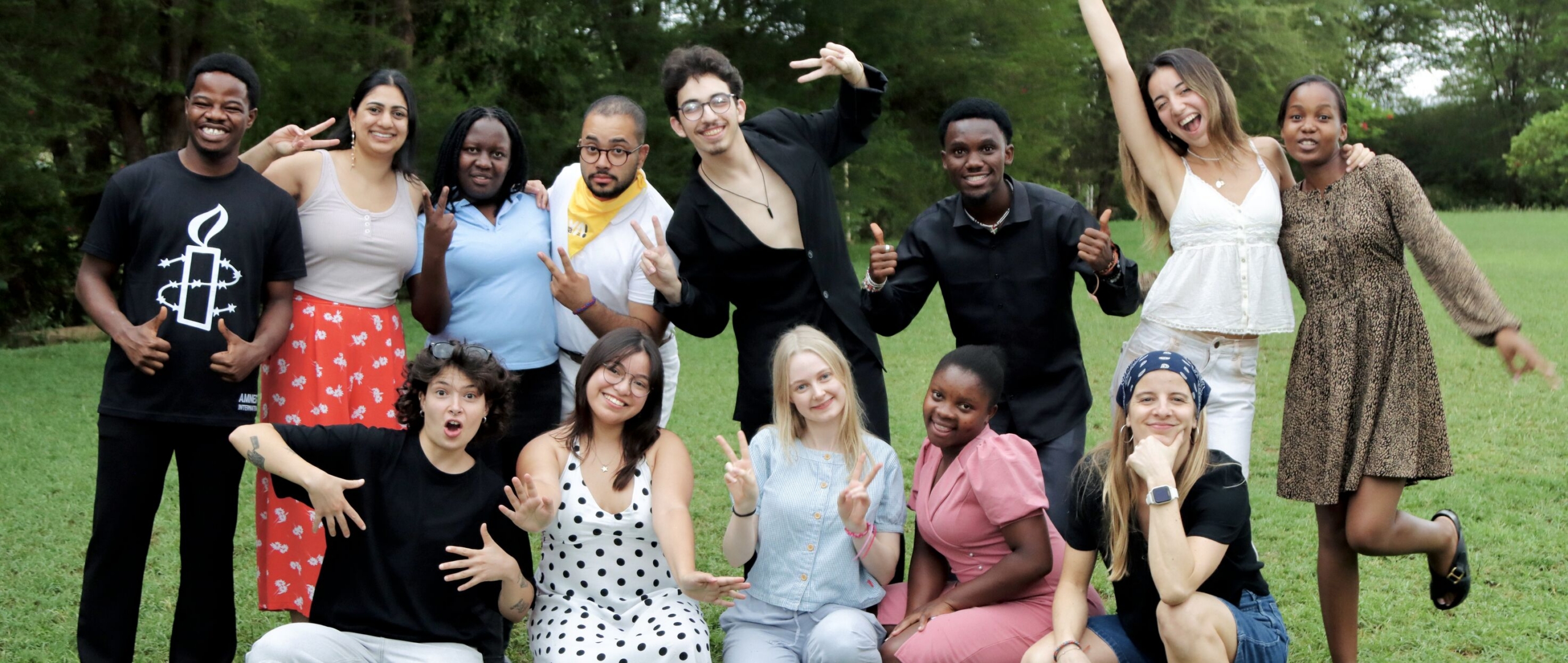
Amnesty International recently gathered a group of young people from around the world in Kenya to discuss their experiences on social media amid a push for teenage social media bans by governments across the world. Australia and Indonesia have already put restrictions on young people’s use of social media. UK announced a social media ban for children under 16 on 15 June 2026.
Over 40 countries are considering bans. The proposals are driven by concerns about young people’s exposure to adult content, self-harm material, mental health impacts, cyberbullying, and online grooming. Amnesty International opposes social media bans because they are an ineffective quick fix out of step with the realities of a digital generation. The most effective way to protect children and young people online is by protecting all social media users through better regulation, stronger data protection laws and better platform design. Amnesty International is calling for strong and enforceable platform regulation, including restrictions on profiling-by-default, hyper-personalized recommendation systems, autoplay, infinite scroll and other manipulative design features, alongside stronger protections for children’s privacy and safety online.
This is how young people feel about these proposals and how it will affect their human rights.
Ahmed Dhman – 20-year-old student activist from Morocco.
What do you think about the idea of banning young people from social media?
I think that’s a very controversial idea because when we’re saying we ban children and young people from social media, it’s like treating them like they’re incapable of complexity. It’s ironic, because we’re in a world where young people are expected to deal with economic crisis, political instability, but not social media.
What should policy makers do instead of banning children?
Banning social media is not the solution. We don’t ban books because they contain harmful ideas. We teach critical

Censorship & Information Control
Veteran Haitian journalist Wesly Renaud Jean abducted, ransom requested
Abduction of veteran journalist by armed gangs represents targeted suppression of press freedom and exemplifies authoritarian breakdown… [more]

