The coastal community of Cedeño, in the Gulf of Fonseca, is facing a human rights crisis caused by the impacts of climate change, including coastal erosion, rising sea levels and the lack of an adequate state response, Amnesty International said today as it launched its new report,
Cedeño: “Losing everything, home and children”. Climate displacement from the Honduran Pacific coast
.
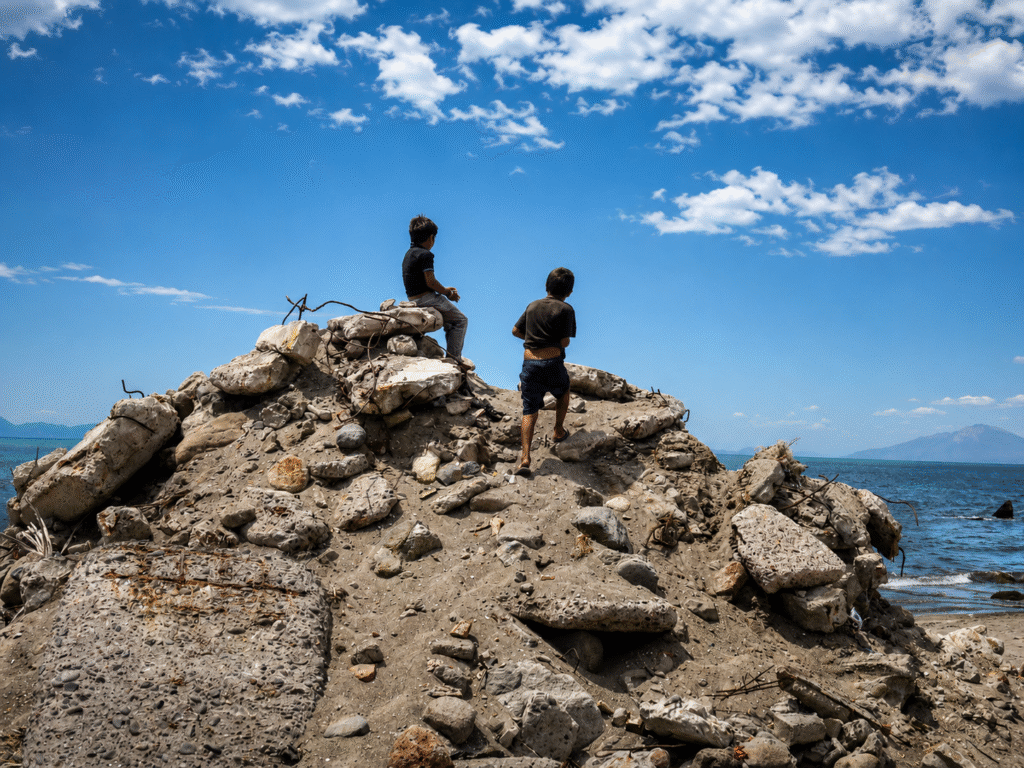
The report reveals that in this area, which was impacted just days ago by Tropical Storm Cristina, the coastline has retreated by around 135 metres between 2004 and 2026, equivalent to 6.13 metres per year. This loss of territory is directly affecting the enjoyment of human rights by people living in Cedeño.
“The heartbreaking situation facing the people of Cedeño today is the result of years of climate inaction, both by the Honduran state and the international community. Today, their rights to water, food and housing are under threat, which also compromises their right to a dignified life. The testimonies gathered are a cry for help that demands immediate attention,” said Ana Piquer, Americas Director at Amnesty International.
The heartbreaking situation facing the people of Cedeño today is the result of years of climate inaction, both by the Honduran state and the international community.”
Ana Piquer, Americas Director at Amnesty International.
Rights at risk
Although its greenhouse gas emissions are minimal, Honduras is among the countries most affected by climate change worldwide. In Cedeño, repeated storm surges, coastal erosion and rising sea levels are putting the rights of its inhabitants at risk.
Access to water is limited. Very few people have access to the water distribution network because of damage caused by successive storm surges. As a result, most of the families interviewed obtain water from wells they have dug themselves, but the water is not suitable for consumption due to contamination and salinization of freshwater sources.
The food security of hund
… [more]