As the Trump
administration unveiled an indictment earlier this year against 15 anti-ICE activists, many of whom identify as radicals, for purportedly tormenting federal agents last winter, a top U.S. Immigration and Customs Enforcement official took the podium.
There were two types of protests, said Homeland Security Investigations special agent in charge Michael McCarthy, who oversaw the ICE agents in a St. Paul, Minnesota, field office who conducted the investigation.
“Peaceful protest is a protected right, and a cornerstone of our democracy,”
said
McCarthy. “When protest turns into rioting, violence or criminal activity, it becomes unlawful and it will not be tolerated.”
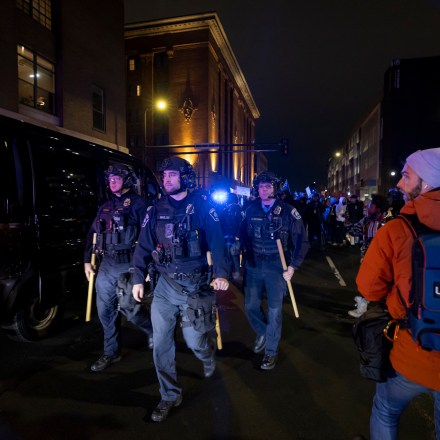
McCarthy’s comments stood in stark contrast with ICE’s record in Minneapolis, where a federal judge had been forced to issue an
injunction
to stop federal agents from
pepper-spraying
and
arresting
peaceful protesters during their enforcement blitz, dubbed
Operation Metro Surge
.
Legal experts, too, had criticisms of the indictment: The Justice Department, one
pointed out
, had concocted a federal
conspiracy
out of what would normally be misdemeanor charges.
Secret ICE Agent Tried to “Entice” Minneapolis Activists Into Confrontational Tactics
In the months since, criticisms of the case have only grown louder. Court filings revealed that McCarthy’s agents
secretly infiltrated groups that preach nonviolence
, including labor unions and nonprofits. They also wielded subpoenas in a fruitless hunt for financiers of “domestic terrorism,” taking a
cue from
President Donald Trump’s National Security Presidential Memorandum-7
labeling swaths
of the far left as
terrorists
.
The Trump administration has won some success in going after left-wing protesters under NSPM-7, but the Minneapolis case is proving to be more challenging.
In other prosecutions targeting activists, like the
Prairieland case in Texas
, mainstream groups have
shied away
from supporti
… [more]