(Manila) – Philippine authorities disregarded the rights of residents who were removed from a small island in Pampanga province for a flood control project and relocated to a site with chronic flooding and few livelihood opportunities, Human Rights Watch said today.
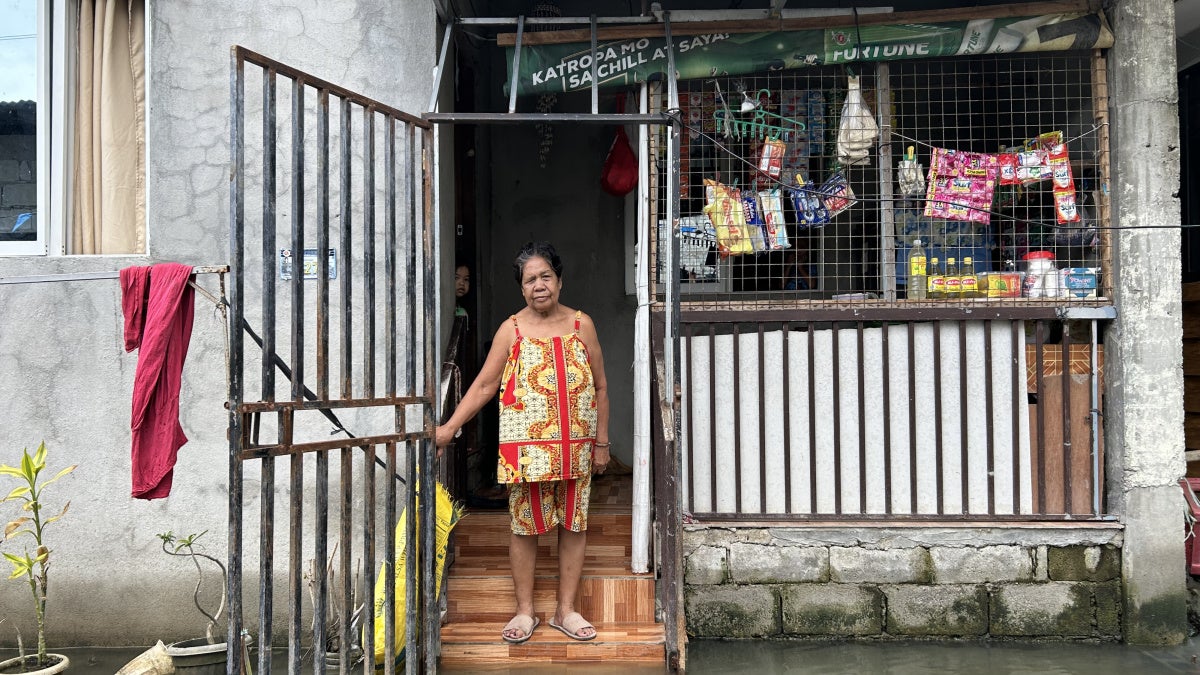
In 2022, the Macabebe, Pampanga government relocated 90 families without adequate consultation and information from Pulo Island on the Pampanga River. The relocation site, in the town of Macabebe, is a low-lying area that was formerly a fish pond that floods throughout the year, causing residents to struggle to access services and work. Although the Pulo community wanted to stay together, some family members have since left because of the effects of the flooding on their lives and livelihoods.
“Philippine authorities in Pampanga have threatened the safety and livelihoods of Pulo Island residents by relocating them to a low-lying area as part of a flawed flood control project,” said Lian Buan, Southeast Asia researcher at Human Rights Watch. “The Philippine government should consult the community to find a better solution and ensure that future relocations related to flood control projects respect affected people’s rights.”
Play Video
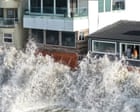
Pampanga province in the Philippines’ northern island of Luzon experiences the country’s most severe flooding, which is exacerbated by storms, sea-level rise, and limited dam capacity, and is likely to worsen as climate change accelerates. From 2015 to 2025, floods and sea-level rise displaced 6.6 million people in the Philippines.
The Philippine government has adopted a national policy for moving entire communities, called planned relocation or resettlement. However, the authorities responsible for moving the Pulo Island community did not follow national