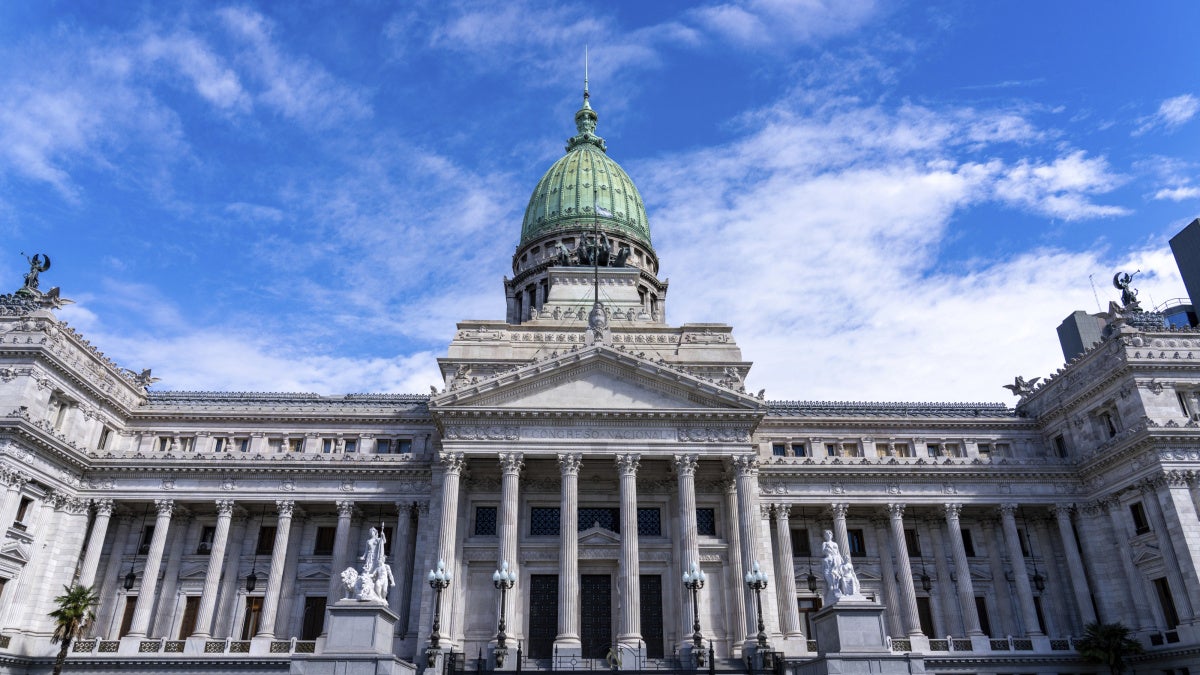
The Argentine National Congress Building in Buenos Aires, Argentina, April 11, 2024.
(Washington, DC) – A proposed bill to address lobbying that is before Argentina’s Congress would place unreasonable burdens on independent human rights organizations and other civil society groups that wish to influence government policy, Human Rights Watch said today.
The bill seeks to advance important government interests around transparency and integrity, but would impose new administrative burdens and legal risks so severe that they would effectively prevent many civil society groups from participating in the policymaking process.
“The government is right to want to regulate and ensure transparency around lobbying activity, but needs to ensure the rights of Argentine people and organizations to participate in crucial policy debates,” said Juanita Goebertus, Americas director at Human Rights Watch. “Congress should fix the overly broad provisions in the law to make sure rights groups and others are allowed to operate without undue restrictions.”
On May 23, 2026, the government of President Javier Milei introduced the bill in Congress with the stated objectives of limiting undue influence over government decisions and bringing much greater transparency to lobbying activity. The bill, which is before the Congressional Committee on Constitutional Affairs, would bar all communications intended to influence government policy unless the entity and persons involved first register as lobbyists and make rapid, detailed reports about every contact and communication.
The bill would create a Public Registry of Interest Representation and require professional lobbyists as well as representatives of companies, business associations, and any other individuals or organizations seeking to influence decisions by the executive branch or Congress to register.
Registration would not be
… [more]