The climate crisis is also a human rights crisis – claiming lives and turning life upside down for countless communities across the world.
But while those profiting from fossil fuel expansion retain privileged access and influence over global climate negotiations, the people facing its harshest consequences, such as Indigenous Peoples or those living in climate-vulnerable communities, remain largely shut out of the decision-making.
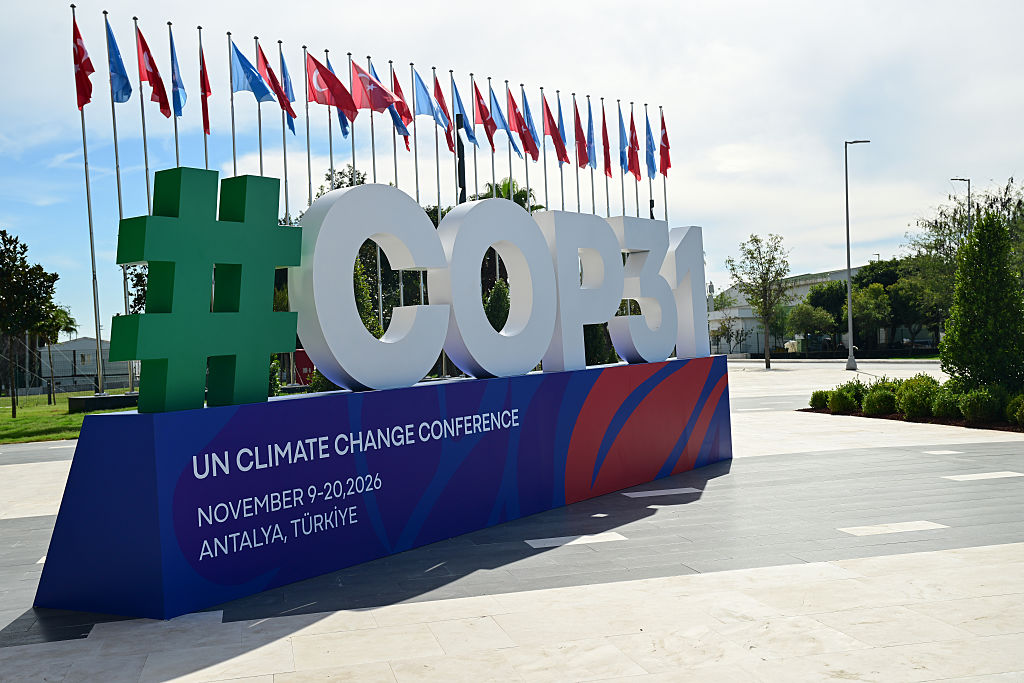
As directors of Amnesty International in Brazil, Türkiye and Australia, countries with a leading role in COP30 and COP31, we have seen how effective climate action depends on people being able to speak, organise, protest and participate.
Last year in Belém, fossil fuel lobbyists outnumbered every national delegation except Brazil’s, exposing the imbalance of power within climate negotiations. COP31 should confront corporate capture and expand public participation. Instead, serious concerns have been raised over whether civil society will be able to speak freely and safely in Türkiye.
Rights curbs supercharge climate breakdown
Yet, the human rights needed to confront this crisis and demand justice are being eroded.
Authoritarian practices are
supercharging climate breakdown
by restricting protest, silencing defenders and shielding fossil fuel interests from scrutiny. Attacks on women, LGBTI+ people or members of other marginalised communities divide societies, weaken collective action and divert public attention while fossil fuel expansion continues.
That is why the assault on civic space in Türkiye, the host of COP31, should alarm every government preparing to attend the summit.
In September, Turkish authorities
launched
a nationwide operation targeting LGBTI+ organisations, activists and human rights defenders. Homes, venues and offices were raided, people were arrested and imprisoned, and social media accounts belonging to activists, journalists and human rights groups were restricted, including that of Amn