By Nciko wa Nciko
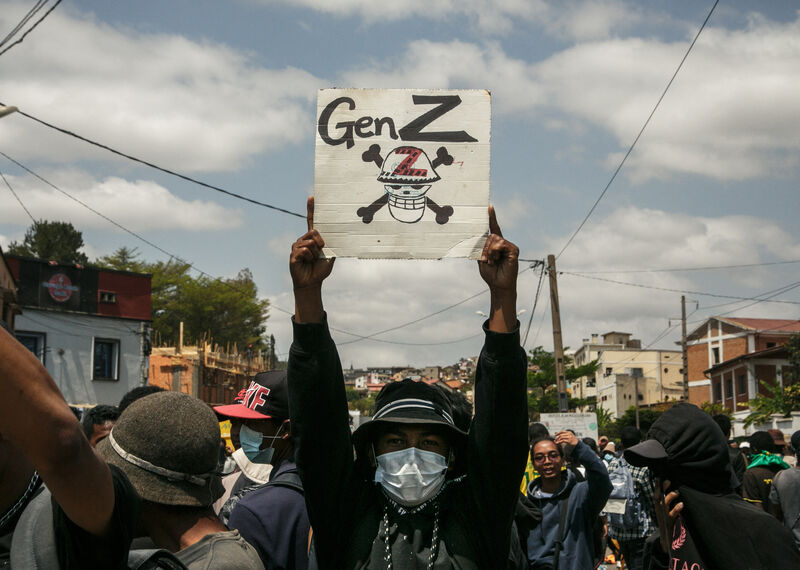
A year since Colonel Michael Randrianirina seized power in a military coup, Madagascar finds itself far from the refoundation that he promised. Instead, his first year in power has been marked by the military’s consolidation of power and the expansion of authoritarian practices. News outlets abound with commentaries assessing Randrianirina’s first year in power. The grievances and demands that led thousands of Gen Z protesters to the streets, including chronic water and electricity shortages and endemic corruption, remain unresolved.
Just like his predecessor Andry Rajoelina, Randrianirina has quickly turned to the law to unduly consolidate power, suppress dissent, instrumentalize anti-corruption efforts against political opponents, and shield his administration from efforts to bring accountability for killing and maiming protesters and for corruption. He has also weaponized the law to restrict civic space by characterizing freedom of association as criminal conspiracy and attempted to secure online mass surveillance powers over dissenting voices to make it difficult for them to critique his regime’s (mis)management of public affairs.
Indeed, Randrianirina’s first year in office has been defined by his administration’s use of state and legal institutions to target political opponents and critics while consolidating power. He has gone further to use outdated “public security” laws alongside the constitution to grant his regime sweeping powers to conduct illegal searches, and to arbitrarily detain political opponents and critics. These unlawful acts have been carried out under the guise of fighting corruption.
Without clear regional and international pressure, Madagascar risks falling again into a familiar cycle of authoritarian practices used to silence dissent and entrench power, leaving the aspirations that fueled the Gen Z protests unfulfilled.
Nciko wa Nciko
Yet the fight against corruption has been applied selectively and has been m
… [more]

