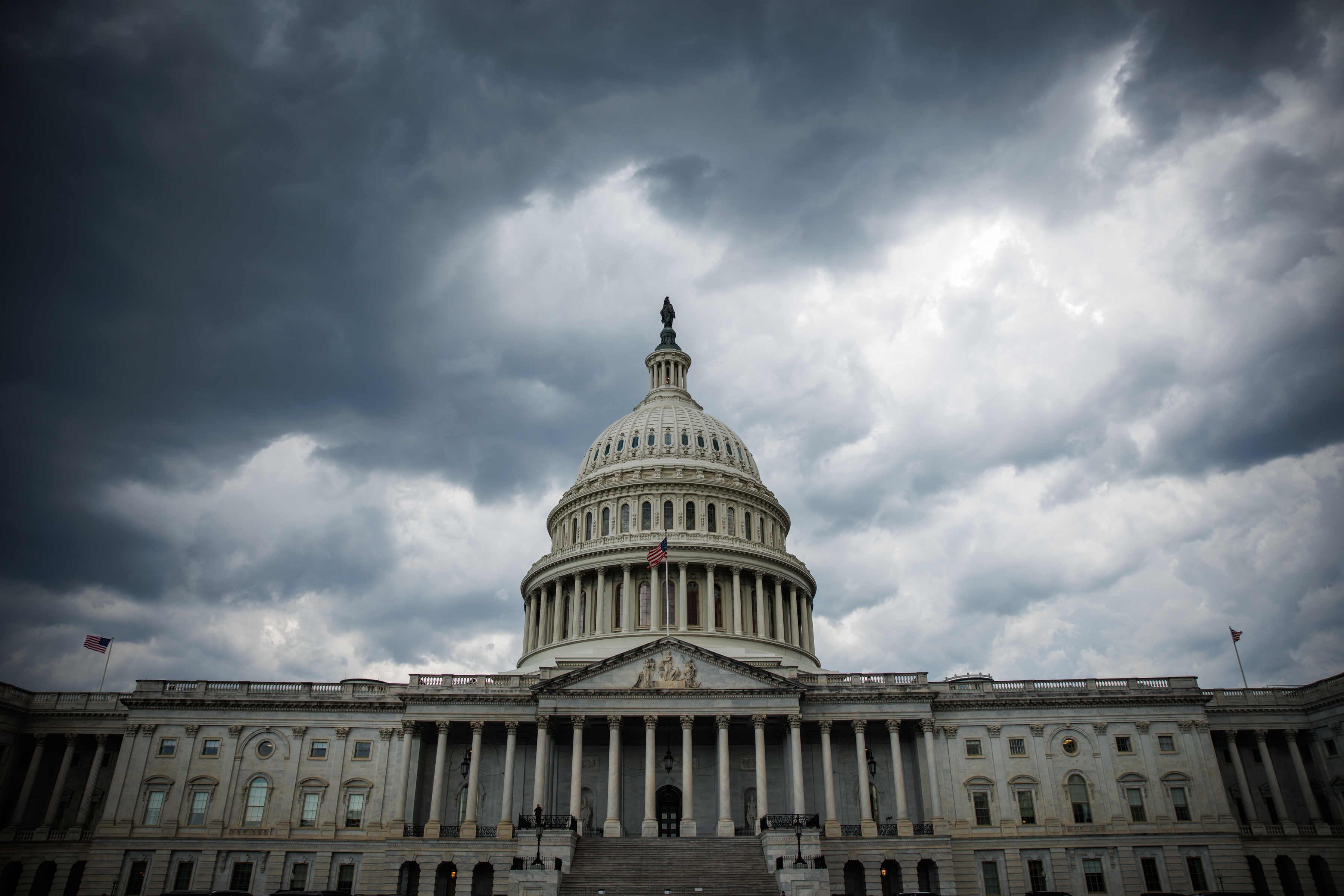
The U.S. Capitol building on May 20, 2026 in Washington, D.C.
Photo: Samuel Corum/Sipa USA via AP Images
Democrats and Republicans
in Congress have struck a
deal
on a bill they say will help keep children and teens safe online. The KIDS Act could pass on the House floor as soon as
next week
; if enacted, it would fundamentally change the way everyone — not just kids — accesses the internet.
At stake is your ability to use many social media platforms without revealing your identity.
That’s because the KIDS Act at least strongly
incentivizes
— and, for some services, outright requires — age verification. Many platforms will turn to age verification to avoid potential liability under the law. Companies like X, video-sharing services like Vimeo, and others with a history of users’ populating social feeds with
edgy content
may be
required
to verify users’ ages because they host a certain amount of content deemed “sexual material harmful to minors,” a term that the KIDS Act defines broadly.
Congress Is Considering Abolishing Your Right to Be Anonymous Online
That’s a big problem for people who need to be able to use the internet anonymously, since, as Taylor Lorenz has previously
written
about in The Intercept, “there’s no way to reliably verify someone’s age without verifying who they are.”
Threats to online anonymity harm everyone, but one group is often overlooked: journalists and the sources who talk to them. Age verification requirements will help the Trump administration carry out its vendetta against the press by creating new avenues to identify journalists’ confidential sources.
Age verification laws will create a new pool of data that the government can demand when it’s hunting for information about the people who may have spoken to the press.
Trump’s administration has made no secret of the fact that it wants to
destroy journalism
that holds it to account, including by
unmasking
sources and
punishing
… [more]