When the House of Representatives voted on a long-term extension of a controversial surveillance law in April, House Democratic leaders were content to let their members vote as they wished, dealing a blow to privacy advocates seeking reforms to a provision that allows domestic spying without a warrant.
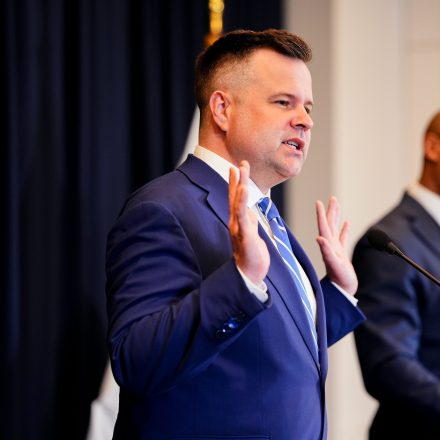
House Minority Leader Hakeem Jeffries, D-N.Y., had said he personally supported reforms, for instance, but declined to whip votes against the law .
“Voting for a clean reauthorization of Section 702 is co-signing the Trump administration’s mass surveillance agenda.”
President Donald Trump’s appointment of housing czar Bill Pulte to be the nation’s spy chief, however, appeared shore up Democratic leaders’ spines — for now.
Citing Pulte’s lack of experience and fealty to Trump, Jeffries on Thursday corralled his members into opposing a short-term extension of the law, leading to a 218–198 defeat of the measure. Democratic leaders did not issue a formal whip notice, but they did release a forceful statement against it hours before the vote was set to take place.
The different approach from leadership between the two votes was “night and day,” one Democratic staffer told The Intercept.
Dozens of the 42 Democrats who had voted for the “clean” renewal last time reversed their positions, dooming an attempt by Speaker Mike Johnson. R-La., to pass the short-term extension of Section 702 of the Foreign Intelligence Surveillance Act before it expires Friday.
Momentum Builds to Rein In Domestic Spying Law — Whether or Not Bill Pulte Survives as Intel Chief
The hardened line was welcomed by advocates, but in a letter penned by dozens of civil society groups they told Democrats not to flip back without changes — whether Pulte is slated to take the helm of the Office of the Director of National Intelligence or not.
Hours after the failed vote, Trump said he would nominate Jay Clayton, the U.S. attorney for the Southern D

Surveillance & Privacy
Cold TAKE: Amazon's New Encryption Method Still Doesn't Deliver Real Privacy
Documents corporate surveillance infrastructure (Ring cameras) where Amazon retains temporary encryption keys, enabling potential law… [more]