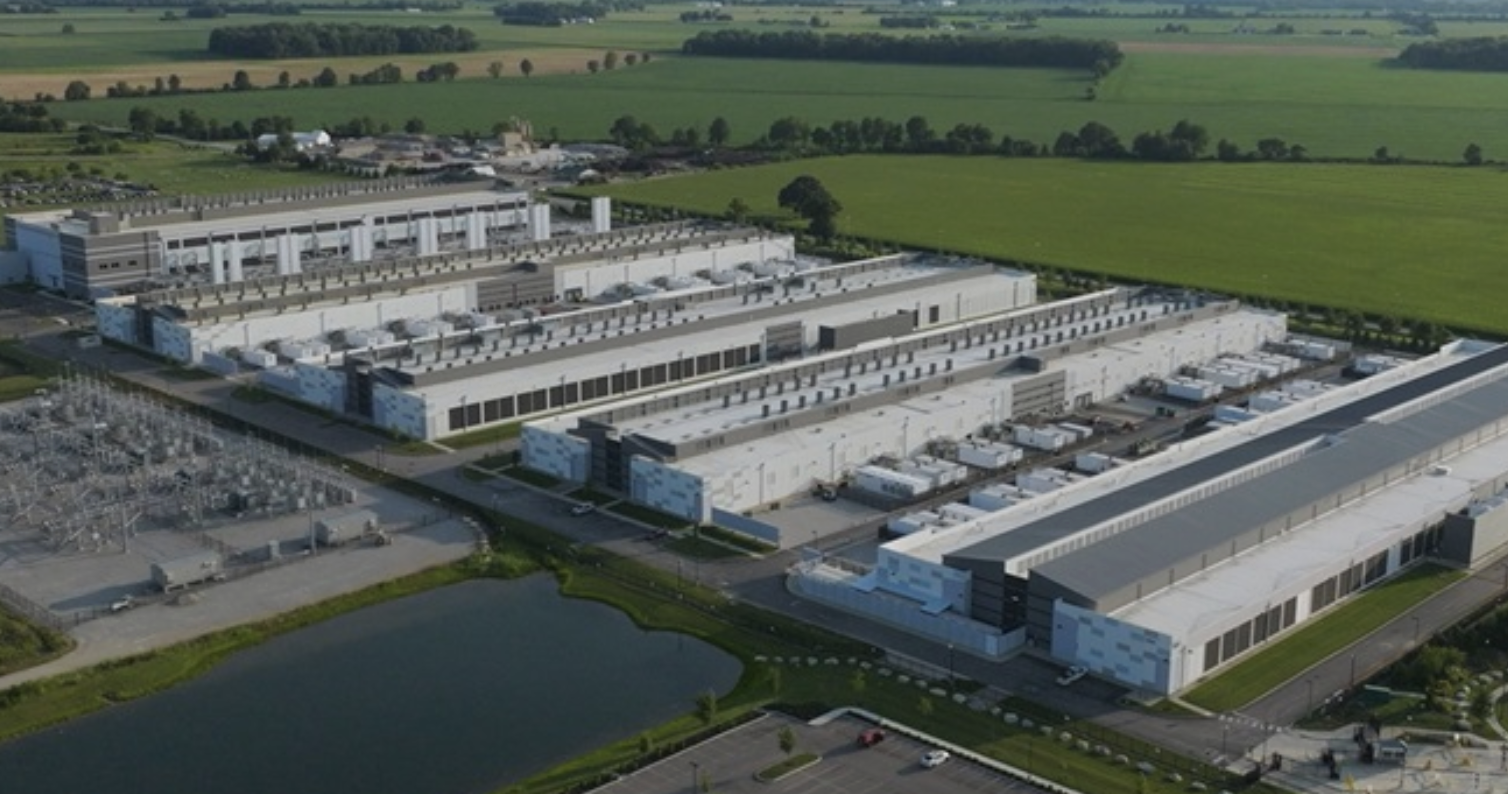
The AI industry has been pushing a narrative that the technology is a “black box” whose inner workings are so complex that they remain unknown even to the people making it. But another black box of AI is the underlying cost of the technology, and, specifically, what the AI boom is costing people who live near massive data centers. The data centers and energy plants that power large language models and other generative AI tools are subject to contracts cloaked in non-disclosure agreements and in many cases shielded from public scrutiny on the pretext that they contain competitive information. A new report written by consultancy Synapse and commissioned by advocacy groups Earthjustice and Environmental Advocates Mississippi attempts to calculate the cost of 3 planned Amazon data centers to Entergy Mississippi customers, who share an energy utility with the centers. These hidden costs may offer a window into the broader burden borne by residents living near data centers around the country. The report estimates that residential customers of Entergy Mississippi, one of the state’s regional energy monopolies, have paid $38 million as of March 2026 for infrastructure and other costs related to data centers and will have paid $74 million by the end of the year. The average Entergy Mississippi customer is now paying at least an extra $10.60 a month to finance the data centers, the report says. It amounts to a 7 percent bill increase at a time when gas prices, choked supply chains and cuts to federal benefits are already hurting Americans. Entergy customers do not see costs for data centers highlighted separately in their bills. According to report author Ben Havumaki, this only represents the costs that Entergy Mississippi customers have paid so far, and bills will likely rise. “We know as a matter of fact that Entergy has made far more investments in service of data centers already and that the total..will be far in excess of that amount,” Havumaki told 404 Media. The a
… [more]
Corporate Control
Meta Sued Over Training Data for Its AI and Face-Recognition Systems
Meta's alleged unauthorized collection of biometric data from billions of users to train AI and face-recognition systems represents… [more]

