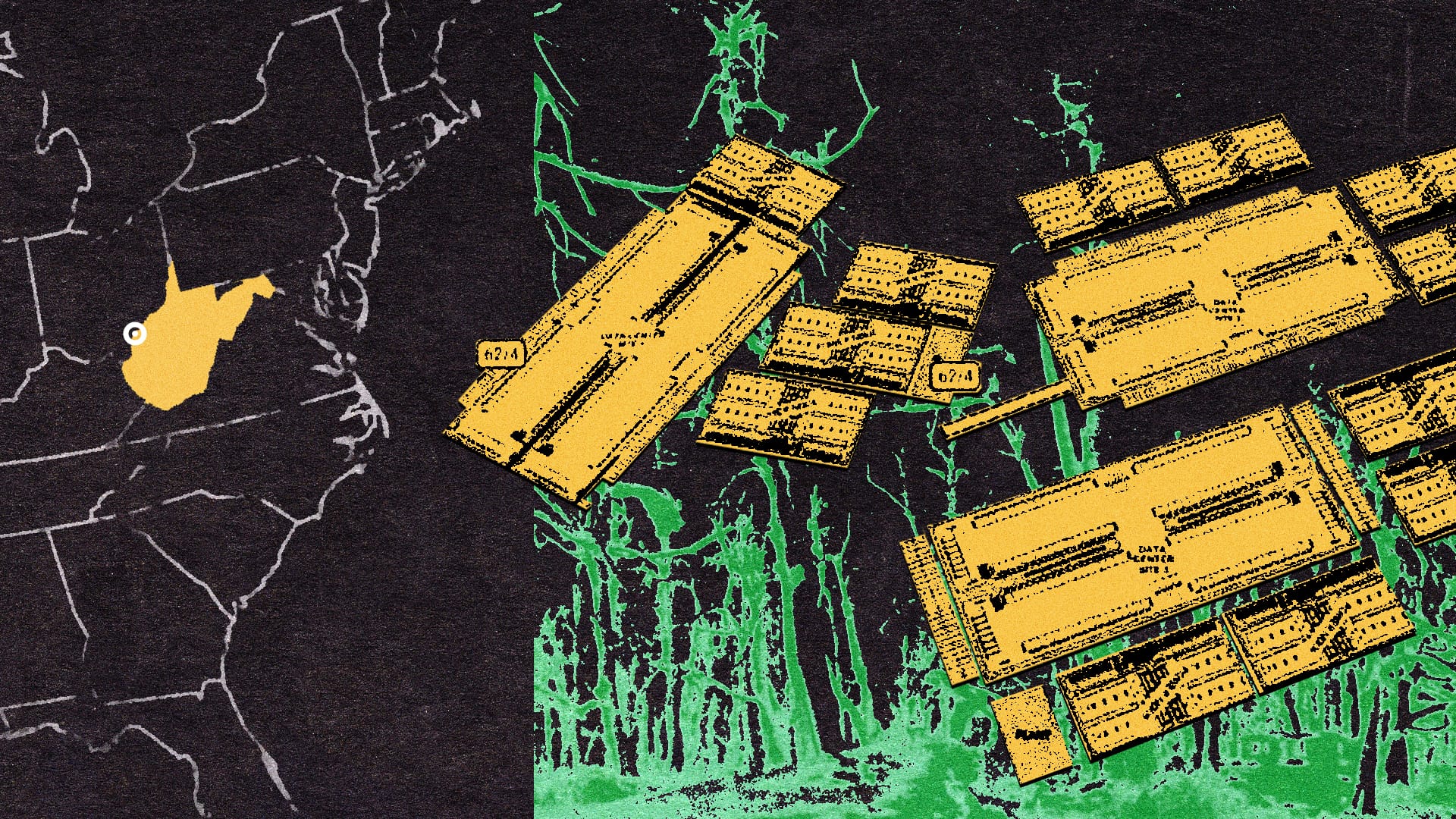
Near the bank of the Ohio River, a historic American chestnut grove in Mason County, West Virginia has become the epicenter of a fight against a planned 2,250 acre data center campus. Plans for the UK-based startup Nscale’s Monarch Compute Campus, with clients
including Anthropic
, Nvidia and
Microsoft
, encompass the former Clements State Nursery and the American chestnut trees still growing there.
For thousands of years, the American chestnut tree was a staple of life. Its natural range spanned hundreds of millions of acres
from Maine to Mississippi
, centuries before those names existed. As many as four billion trees provided a hearty nut crop for humans and provided miraculously rot-resistant lumber for railroad ties and housing. It sustained black bears as they prepared to hibernate, fed white-tailed deer and turkey, and shed nutrient-dense leaves. The largest American chestnut trees once grew 100 feet tall and 13 feet wide and represented
one-fourth of all hardwoods
; a squirrel could scamper along their branches from New England to Georgia without touching the ground, as
an old saying goes
.
In 1904, a forester at the Bronx zoo
noticed something alarming
among their American chestnuts: The trees were dying
en masse
, struck by a mysterious blight.
Within 40 years
, that blight — thought to be brought to America on Asian chestnut trees — wiped out the tree’s population to near-extinction. Since then, conservationists have worked to restore American Chestnut trees and breed blight-resistant specimens. Typically, threats to groves include pests, climate change, and the fungus that destroyed their ancestors. Today, however, a new threat has entered the picture: data centers.
Library of Congress: American Chestnut Tree, Negative No. 6032 (Photographer and date unknown). "THIS GHOST FOREST OF BLIGHTED CHESTNUTS ONCE STOOD APPROXIMATELY AT THE LOCATION OF THE BYRD VISITOR CENTER." - Skyline Drive, From Front Royal, VA to Rockfish Gap, VA, Luray, Page Cou

Corporate Control
UK government met 137 businesses over AI datacentres – but no environmental groups
Demonstrates corporate capture of AI policy-making through systematic revolving-door hiring and deliberate exclusion of environmental… [more]