Usman Hamid
, the Executive Director of Amnesty International Indonesia, has spent decades as a human rights defender. But the relentless campaigns of
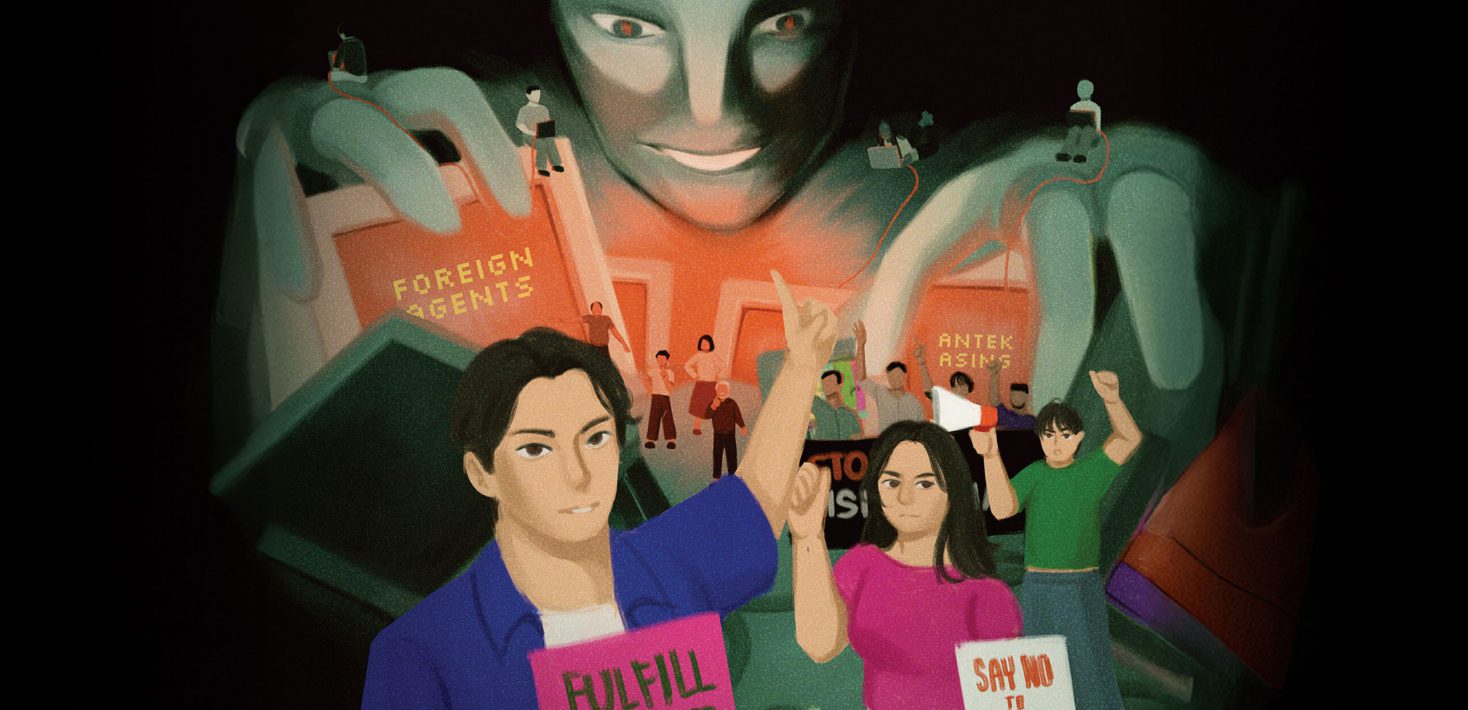
harassment
and intimidation designed to silence him have a
new dimension in the digital age
.
My journey into human rights activism was forged in the blood that stained the pavement of Trisakti University. In my teenage years, my mother got me involved in organizing assistance for people living in poverty. I began to witness the stark socio-economic disparities that existed under former president Suharto, amid widespread corruption and state repression. By May 1998, public frustration had reached boiling point, sparking student protests across Indonesia. What began as a growing unease with social injustice drew me into the movement. But it was the killing of four of my classmates at Trisakti on 12 May 1998 that transformed my concerns into a lifelong commitment to human rights activism.
Shortly after the brutal protest crackdown, I was appointed as student representative to a military police investigation team to search for the truth about what happened. It was through this work that I met the human rights activist Munir Said Thalib, who later became my mentor. After my graduation, Munir persuaded me to join the Commission for Missing Persons and Victims of Violence (KontraS).
Due to my work at KontraS, I faced a relentless campaign to destroy my credibility. In 1999, pamphlets were circulated in communal spaces, falsely accusing me of being a “communist” or a “Jewish secret agent”. Conservative-linked publications, including Majalah Garda, spread rumors about me, publishing photographs of me and suggesting that I was not a “pure” student activist. Before long, both Munir and I started receiving death threats because we exposed human rights violations that implicated key army figures.
In 2001, I was appointed to the inquiry commission at the National Human Rights Commission (Komnas HAM) to continue invest
… [more]